Understanding Neurodiversity: Seeing Strength Beyond Labels
May
Neurodiversity is more than a word—it is a way of understanding that every brain works differently, and those differences are valuable. Children and adults who are autistic or neurodivergent often experience the world in unique ways. Instead of focusing only on challenges, neurodiversity encourages us to recognize strengths, talents, creativity, and different ways of thinking.
Many families begin their journey feeling overwhelmed after hearing terms like autism, ADHD, sensory processing difficulties, or learning differences. Questions quickly arise:
- What does this mean for my child?
- Will they make friends?
- How can I help them succeed?
- What should I do next?
These questions are natural. Families often feel pressure to figure everything out immediately, but there is no perfect timeline.
Understanding Different Does Not Mean Less
Children with autism or other neurodiverse experiences may communicate differently, learn differently, or interact socially in ways that look different from their peers. Different does not mean less capable.
Some children may:
- Have incredible attention to detail
- Show deep interests and talents
- Think creatively
- Remember information exceptionally well
- Demonstrate honesty and unique perspectives
At the same time, they may face challenges with:
- Communication
- Emotional regulation
- Social interactions
- Transitions and routines
- Sensory experiences
Supporting children begins by understanding both strengths and needs.
Building Support at Home
Parents and caregivers play a powerful role in creating safe and supportive environments.
Helpful strategies include:
Create predictable routines
Consistency often reduces stress and anxiety.
Celebrate progress
Small victories matter.
Listen and observe
Behavior often communicates needs.
Focus on connection before correction
Relationships create trust.
Supporting Caregivers Too
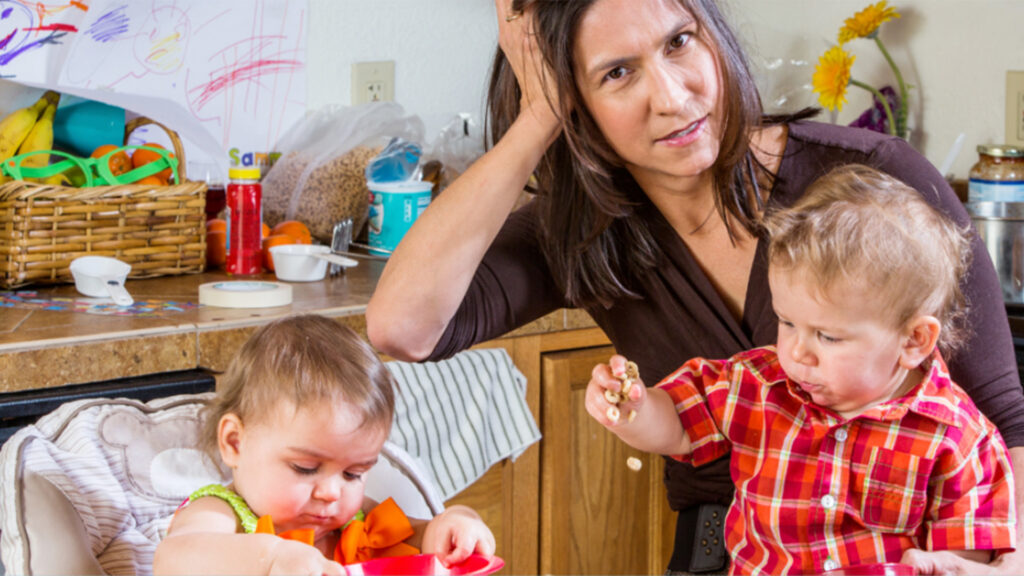
Families also need support. Parents often become advocates, organizers, researchers, and emotional anchors all at once.
No caregiver should feel they must navigate everything alone. Communities, coaching, support circles, and practical tools can transform confusion into confidence.
Every child deserves understanding, and every caregiver deserves encouragement.
